Top Tips for Appliance Maintenance: Keep Your Home Running Smoothly
Are you tired of dealing with unexpected appliance breakdowns? Keeping your home running smoothly requires a little extra care and attention to your household appliances. In this blog post, we will delve into the world of appliance maintenance, providing you with top tips to ensure your appliances stay in tip-top shape for years to come. From simple DIY maintenance tasks to knowing when to call in the professionals, we've got you covered. Discover the importance of regular maintenance, learn how to create a maintenance schedule, and uncover the secrets to extending the lifespan of your appliances. Get ready to become a pro at appliance care and keep your home running like a well-oiled machine!
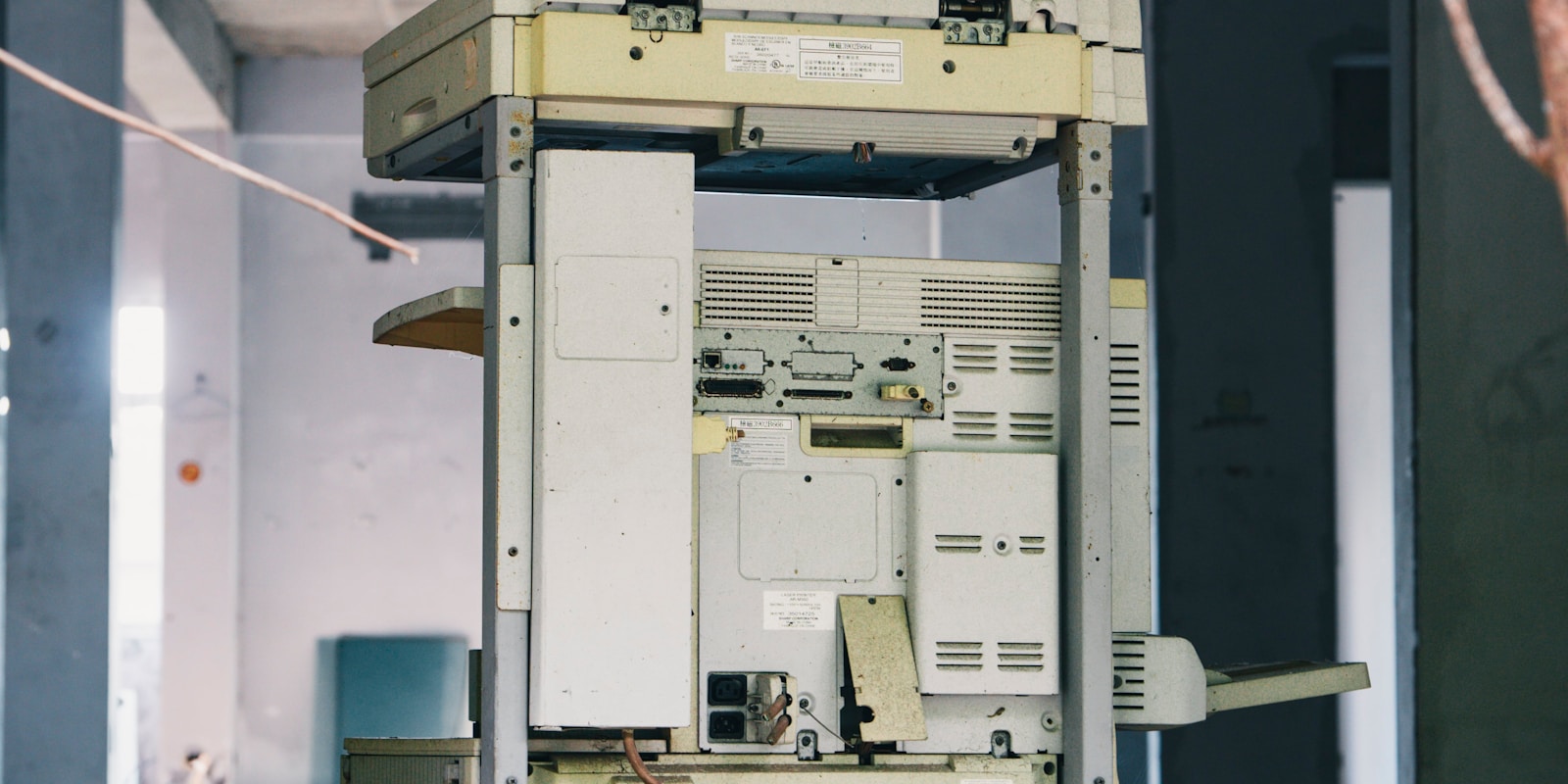
Importance of Regular Appliance Maintenance
Regular appliance maintenance is crucial for keeping your home running smoothly and efficiently. By following a consistent maintenance schedule for your appliances, you can extend their lifespan, ensure optimal performance, and even save money in the long run. Neglecting appliance maintenance can lead to breakdowns, reduced efficiency, and costly repairs or replacements. One key reason why regular appliance maintenance is important is safety. Faulty appliances can pose serious safety hazards, such as electrical fires or gas leaks. By conducting routine maintenance checks, you can identify and address potential issues before they escalate into safety risks. For example, cleaning the lint trap in your dryer regularly not only improves its efficiency but also helps prevent the risk of a lint fire. Regular maintenance also helps in improving the energy efficiency of your appliances. Over time, dust, dirt, and debris can accumulate within appliances, making them work harder to function properly. This can result in increased energy consumption and higher utility bills. By keeping your appliances clean and well-maintained, you can ensure that they operate efficiently, helping you save on energy costs and reduce your carbon footprint. Moreover, regular appliance maintenance can prevent minor issues from turning into major problems. By catching and fixing small issues early on, you can avoid costly repairs or the need for a premature replacement. Simple tasks like cleaning the coils on your refrigerator or descaling your coffee maker can go a long way in preventing breakdowns and extending the lifespan of your appliances. In conclusion, regular appliance maintenance is not just about ensuring proper functioning but also about safety, energy efficiency, and cost savings. By dedicating time to maintaining your appliances, you can enjoy a smoothly running home while prolonging the lifespan of your valuable investments
Easy DIY Maintenance Tips for Common Household Appliances
Appliances are essential in keeping our homes running smoothly, but they require regular maintenance to ensure they work efficiently and last longer. By following some easy do-it-yourself (DIY) maintenance tips for common household appliances, you can avoid costly repairs and extend the lifespan of your appliances. Refrigerator: 1. Clean the condenser coils: Over time, dust and debris can accumulate on the condenser coils, causing your refrigerator to work harder. Use a vacuum or a coil brush to clean these coils at least twice a year. 2. Check the door seals: Ensure that the door seals are tight and free from cracks. You can do this by placing a piece of paper in the door and closing it. If the paper slips easily, it's time to replace the seals. Washing Machine: 1. Clean the detergent dispenser: Remove the detergent dispenser drawer and clean it with warm, soapy water to prevent mold and mildew buildup. 2. Check the hoses: Inspect the hoses for any signs of wear or leaks. Replace them every five years to prevent water damage. Dryer: 1. Clean the lint filter: Remove lint from the filter after every load to prevent fire hazards and improve drying efficiency. 2. Check the dryer vent: Ensure the vent is clear of lint buildup to prevent potential fires. You can use a vent brush to clean it periodically. Dishwasher: 1. Clean the filter: Remove the filter at the bottom of the dishwasher and rinse it to remove food particles and debris. 2. Run an empty cycle with vinegar: To remove mineral deposits and keep your dishwasher smelling fresh, run a cycle with vinegar once a month. Oven and Stove: 1. Clean burner heads and ports: Wipe down burner heads and ports with a damp cloth to remove grease and food residue. 2. Self-clean the oven: Follow the manufacturer's instructions to run a self-clean cycle and remove baked-on food and grease. By incorporating these easy DIY maintenance tips into your household routine, you can keep your appliances in top condition, prevent breakdowns, and save money on repairs in the long run. Remember that regular maintenance is key to ensuring your appliances work efficiently and last for years to come
Hiring Professionals for Appliance Maintenance: When and Why?
When it comes to maintaining your appliances, there may come a time when the expertise of professional technicians is necessary. While many routine maintenance tasks can be handled by homeowners, some situations require specialized knowledge and tools that only professionals possess. Here are some key considerations for determining when and why you should hire professionals for appliance maintenance: 1. **Complex Repairs**: If your appliance is experiencing complex issues such as electrical malfunctions, major leaks, or mechanical failures, it is best to seek the help of a professional. Attempting to repair these issues yourself can worsen the problem and may even result in safety hazards. 2. **Warranty Coverage**: Some appliances come with warranties that require maintenance and repairs to be done by authorized technicians. Hiring a professional ensures that your warranty remains valid and that the repairs are conducted according to the manufacturer's specifications. 3. **Specialized Equipment**: Professional technicians have access to specialized tools and equipment that are necessary for certain repairs. This equipment allows them to diagnose and fix issues more efficiently and accurately than you could on your own. 4. **Safety Concerns**: Working with appliances, especially those that involve electricity or gas, can be dangerous if you don't have the proper training. Professional technicians are trained to handle these potentially hazardous situations safely, reducing the risk of injury to yourself and damage to your home. 5. **Time and Convenience**: Hiring a professional to handle appliance maintenance can save you time and hassle. Instead of spending hours researching how to diagnose and repair an issue, a technician can quickly assess the problem and provide a solution, allowing you to get back to your daily routine. 6. **Longevity of Your Appliances**: Regular maintenance performed by professionals can help extend the lifespan of your appliances. By addressing issues early and ensuring that your appliances are running efficiently, you can prevent costly repairs or replacements in the future. In conclusion, while some appliance maintenance tasks can be DIY projects, there are times when hiring a professional is the best course of action. Knowing when to seek professional help can not only save you time and effort but also ensure that your appliances are properly maintained for optimal performance and longevity
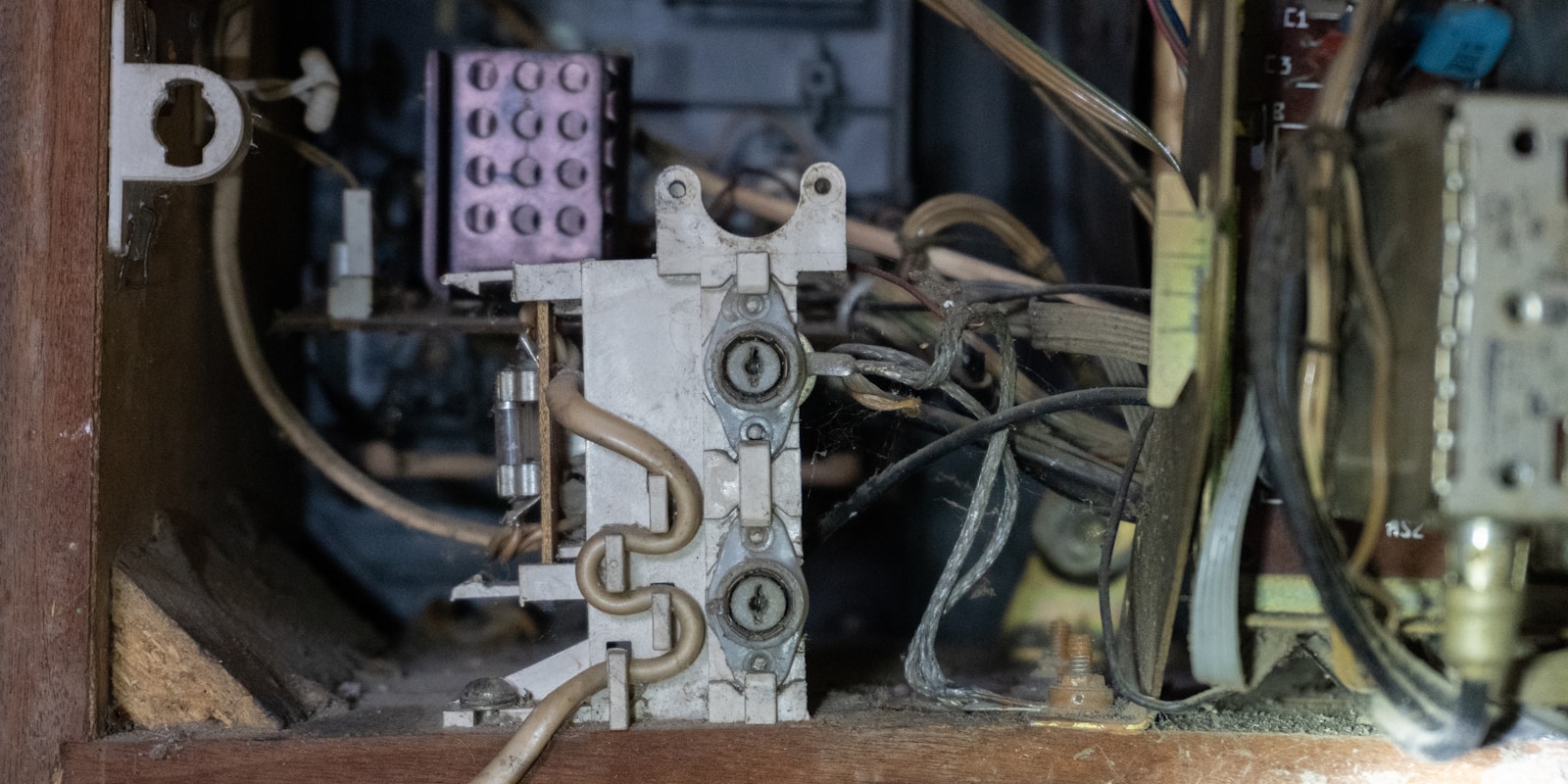
Extending the Lifespan of Your Appliances with Proper Care
One of the most crucial aspects of maintaining the smooth operation of your household appliances is to ensure they receive the proper care and attention they deserve. By implementing consistent maintenance practices, you can significantly extend the lifespan of your appliances and avoid costly repairs or replacements down the line. Regular cleaning is essential for keeping appliances in top condition. Make sure to clean filters, vents, and any other removable parts according to the manufacturer's instructions. Accumulated dirt and debris can strain the appliance's components, leading to decreased efficiency and potential breakdowns. Additionally, wiping down surfaces and interiors can prevent the buildup of grime and bacteria, enhancing both performance and hygiene. Another key maintenance tip is to be mindful of how you use your appliances. Overloading machines or subjecting them to tasks they aren't designed for can cause excessive wear and tear. By following usage guidelines and avoiding unnecessary strain, you can help prolong the lifespan of your appliances and optimize their performance. Regular inspections are also important in appliance maintenance. Keep an eye out for any signs of damage or malfunction, such as strange noises, leaks, or fluctuations in performance. Addressing issues promptly can prevent minor problems from escalating into major repairs, saving you time, money, and frustration in the long run. Lastly, don't underestimate the power of professional servicing. While DIY maintenance is beneficial, having your appliances inspected and serviced by qualified technicians on a periodic basis can catch potential issues early and ensure that your appliances are running efficiently. By incorporating these maintenance tips into your household routine, you can keep your appliances in optimal working condition, extend their lifespan, and enjoy a smoother-running home for years to come
Creating a Maintenance Schedule for Your Home Appliances
One essential aspect of ensuring your home appliances stay in top working condition is to create a maintenance schedule. By establishing a routine for inspecting and servicing your appliances, you can help prevent breakdowns, extend their lifespan, and maintain optimal performance. To begin, take an inventory of all the appliances in your home that require maintenance, such as refrigerators, ovens, dishwashers, washing machines, dryers, and HVAC systems. Refer to the manufacturer's guidelines for recommended maintenance tasks and frequency. These might include cleaning filters, inspecting connections, lubricating moving parts, and checking for signs of wear and tear. Next, create a schedule that outlines when each appliance should be inspected and serviced. Consider factors such as usage frequency, age of the appliance, and the manufacturer's recommendations. You may want to prioritize appliances that are used daily or that are more prone to wear, such as the refrigerator or HVAC system. To stay organized, use a calendar or a digital reminder system to track when maintenance tasks are due. You can set reminders for tasks such as changing water filters, cleaning coils, or scheduling professional servicing. By adhering to your maintenance schedule, you'll not only keep your appliances running smoothly but also avoid costly repairs or replacements down the line. Remember that regular maintenance can also improve energy efficiency, saving you money on utility bills. Additionally, keeping your appliances well-maintained reduces the risk of safety hazards, such as electrical fires or gas leaks. In conclusion, creating a maintenance schedule for your home appliances is a proactive approach to ensuring they operate efficiently and last longer. By investing time and effort in regular maintenance, you'll enjoy the peace of mind that comes with knowing your appliances are in good working order and your home is running smoothly
Conclusion
Conclusion: In conclusion, appliance maintenance is a crucial aspect of keeping your home running smoothly. By following the top tips provided in this blog post, you can ensure that your appliances remain in optimal condition for years to come. From scheduling regular maintenance tasks to knowing when to seek professional help, taking care of your appliances is key to extending their lifespan. Remember, a little effort goes a long way in preventing unexpected breakdowns and costly repairs. With these insights on appliance maintenance, you'll be well-equipped to maintain your home's essential appliances and keep everything running like a well-oiled machine